
Estimated reading time: 12 minutes
Juna Classics Memory Foam Mattress: Starting at $588
- Memory foam mattresses are like a slow-motion hug, great for pressure relief and muffling a restless partner’s movements, but they can get warm. Solutions for overheating memory foam mattresses
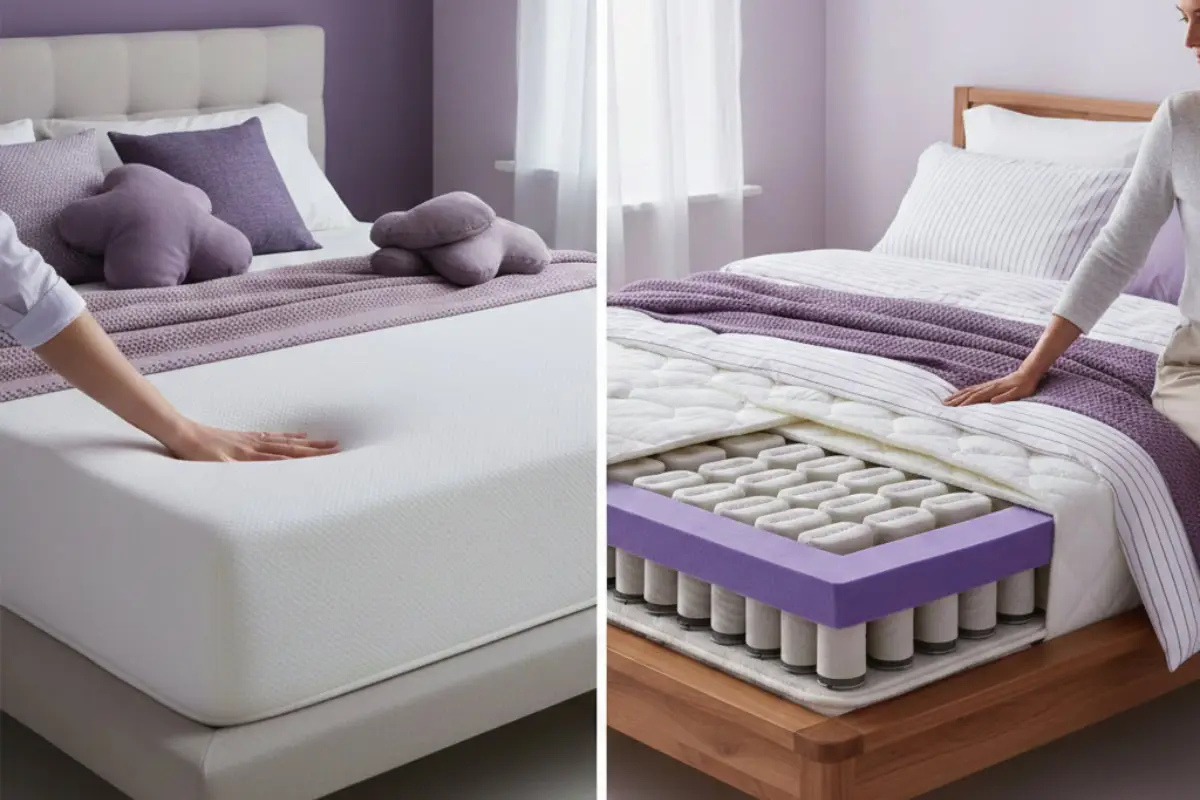
- Hybrid mattresses give you the bounce of springs with a foam top layer. Cooler sleep, firmer edges, but sometimes you’ll feel your partner shift.
- Hot sleepers, combo sleepers, or back/stomach sleepers? Lean hybrid. Side sleepers or motion-sensitive couples? Memory foam might win.
- Latex mattresses (the overlooked third option) are bouncy, cool, and eco-friendly, but they don’t contour like memory foam.
- Pro tip: Some brands (like Juna) let you swap layers to tweak firmness, no buyer’s remorse needed. Experience the unmatched comfort of a Juna mattress
Table of contents
- Let’s Settle This Foam vs Hybrid Debate
- Memory Foam: The Pressure-Relieving Body Hug
- Hybrid Mattresses: Springy Support With a Foam Top
- Memory Foam vs Hybrid: The Showdown
- Latex Mattresses: The Underdog Worth Considering
- How to Pick Your Perfect Mattress
- Final Advice: Ditch the Overthinking
- Frequently Asked Questions
Let’s Settle This Foam vs Hybrid Debate
Picking a mattress shouldn’t feel like a life-or-death decision, but let’s be honest: Nobody functions well after months of bad sleep. The “best” mattress isn’t about trends, it’s about what your body needs.
Memory foam molds to you like tempur-pedic clay (in a good way). Hybrids are the Goldilocks middle ground between springs and foam. And then there’s latex, the crunchy, cool cousin of the mattress world. Understanding different mattress types and their benefits
We’ll break down the pros, cons, and sneaky details nobody tells you (like why that “cooling gel” foam might still make you sweat).
Memory Foam: The Pressure-Relieving Body Hug
Memory foam isn’t just squishy, it’s smart squishy. The material softens with body heat, cradling your hips and shoulders. Ever seen those videos where someone jumps on a memory foam bed while their partner stays dead asleep? That’s the magic.
Why People Love It:
- Motion isolation champion: Your partner could do jumping jacks and you wouldn’t notice.
- Pressure relief for side sleepers: Say goodbye to waking up with a numb arm.
- No allergens: Dust mites hate dense foam (a win for sneezy sleepers).
The Catch:
- Heat trap: Traditional memory foam sleeps hot. Gel-infused versions help, but it’s still not as breezy as a hybrid.
- The “quicksand” effect: Some folks hate feeling “stuck” when they try to roll over.
- Edge support fails: Sitting on the side feels like perching on a soggy sandwich.
Fun fact: Those weird chemical smells when you unbox it? They fade in a few days. Open a window and suffer through it.
Hybrid Mattresses: Springy Support With a Foam Top
Imagine a mattress that’s part trampoline, part pillow. Hybrids combine coiled springs (for bounce and airflow) with foam layers (for comfort). They’re the crowd-pleaser of the mattress world, especially if you sleep hot or switch positions all night.
Why They’re Popular:
- Cooler sleep: Air swirls through the coils like a tiny internal AC.
- Firmer edges: No slide-off panic when you sit to tie your shoes.
- Works for most sleep styles: Back, stomach, combo, it adapts decently.
The Downsides:
- Pricey: Good hybrids cost more than your first car (okay, maybe not—but they’re not cheap).
- Can get noisy: Cheap coils eventually squeak like a rusty swing set.
- Heavy AF: Moving one feels like wrestling a bear.
Pro tip: Pocketed coils minimize motion transfer. Skip hybrids with old-school interconnected springs if you share the bed.
Memory Foam vs Hybrid: The Showdown
Let’s get specific. Which one actually wins for…
Comfort:
- Memory foam: Sinks like quicksand (blissful or claustrophobic, depending who you ask).
- Hybrid: Lets you “float” on top with a bit of bounce.
Support:
- Memory foam: Needs high density (5+ lbs) to avoid sagging.
- Hybrid: Coils keep your spine aligned, especially for back/stomach sleepers.
Temperature:
- Memory foam: You will roast without cooling tech.
- Hybrid: Built-in airflow means less night sweats.
For Couples:
- Memory foam = silent nights (even with a toddler-esque sleeper).
- Hybrid = might feel some movement unless it’s pocketed coils.
Hot Take: Heavier folks (>230 lbs) often prefer hybrids, they’re less likely to bottom out.
Latex Mattresses: The Underdog Worth Considering
Not into the foam/spring debate? Latex is bouncy, naturally cooling, and lasts forever. Downsides? Less contouring than memory foam, and natural latex costs a lot.
Best for: Eco-buyers, hot sleepers, or people who hate the “stuck” feeling of memory foam.
How to Pick Your Perfect Mattress
Ask yourself:
- Sleep position?
Side sleeper? Softer memory foam.
Back/stomach? Firmer hybrid or latex. - Hot or cold sleeper?
If you’re a human furnace, avoid basic memory foam. - Sharing the bed?
Light sleeper? Prioritize motion isolation. - Budget?
Hybrids cost more upfront but often last longer.
The Real Answer: Try before you commit. Brands like Juna let you test layers at home, no 10-minute showroom lie-down required. How to choose the best mattress for your unique needs
Final Advice: Ditch the Overthinking
The “best” mattress is the one you stop noticing at 3 AM. Whether that’s memory foam, hybrid, or latex depends on your quirks, not a sales pitch.
Ignore marketing fluff. Focus on your sleep issues (sweating? back pain?). How the right mattress can help you sleep better
- Use trial periods. A good company lets you test it for months.
- Consider modular options if you’re indecisive (looking at you, Juna).
Sleep matters. Your mattress should too. Now go nap.
Frequently Asked Questions
Which is better for hot sleepers: memory foam or hybrid?
Hybrid mattresses are generally better for hot sleepers due to the air circulation provided by the coil system. Traditional memory foam traps heat, though gel-infused or cooling memory foam can help. If you’re a human furnace, prioritize hybrids or look for memory foam with advanced cooling technology.
Do memory foam mattresses really eliminate motion transfer?
Yes, quality memory foam mattresses excel at motion isolation. The dense foam absorbs movement, so your partner’s tossing and turning won’t wake you. Hybrids with pocketed coils can also reduce motion transfer, but they’re not quite as effective as memory foam.
How long do hybrid mattresses last compared to memory foam?
Both typically last 7-10 years with proper care. Hybrids may have an edge in durability due to the steel coil support system, but high-quality memory foam (5+ lbs density) can last just as long. The comfort layers in both types will show wear before the core support fails.
Are latex mattresses worth considering over memory foam or hybrid?
Absolutely, especially if you sleep hot or want an eco-friendly option. Latex is naturally cooling, bouncy, and can last 15+ years. However, it doesn’t contour as closely as memory foam and costs significantly more upfront. It’s ideal for people who dislike the “sinking” feeling of memory foam.
What firmness level should I choose for my sleep position?
Side sleepers typically need medium-soft to medium firmness for pressure point relief. Back sleepers usually prefer medium to medium-firm for spinal alignment. Stomach sleepers need firmer mattresses to prevent their hips from sinking too deep. Your body weight also affects firmness preference—heavier individuals often need firmer support.
