
Estimated reading time: 12 minutes
Key Takeaways
- Why heat matters: Overheating messes with deep sleep (the kind you actually feel rested after).
- Cooling mattresses 101: Look for breathable materials like open-cell foams, latex, or hybrid coils, not dense, heat-trapping memory foam.
- What Juna offers: Handmade, customizable mattresses with dual firmness and supposedly zero heat retention.
- The catch: They don’t share detailed material specs upfront, so it’s hard to compare their cooling tech to competitors.
Table of contents
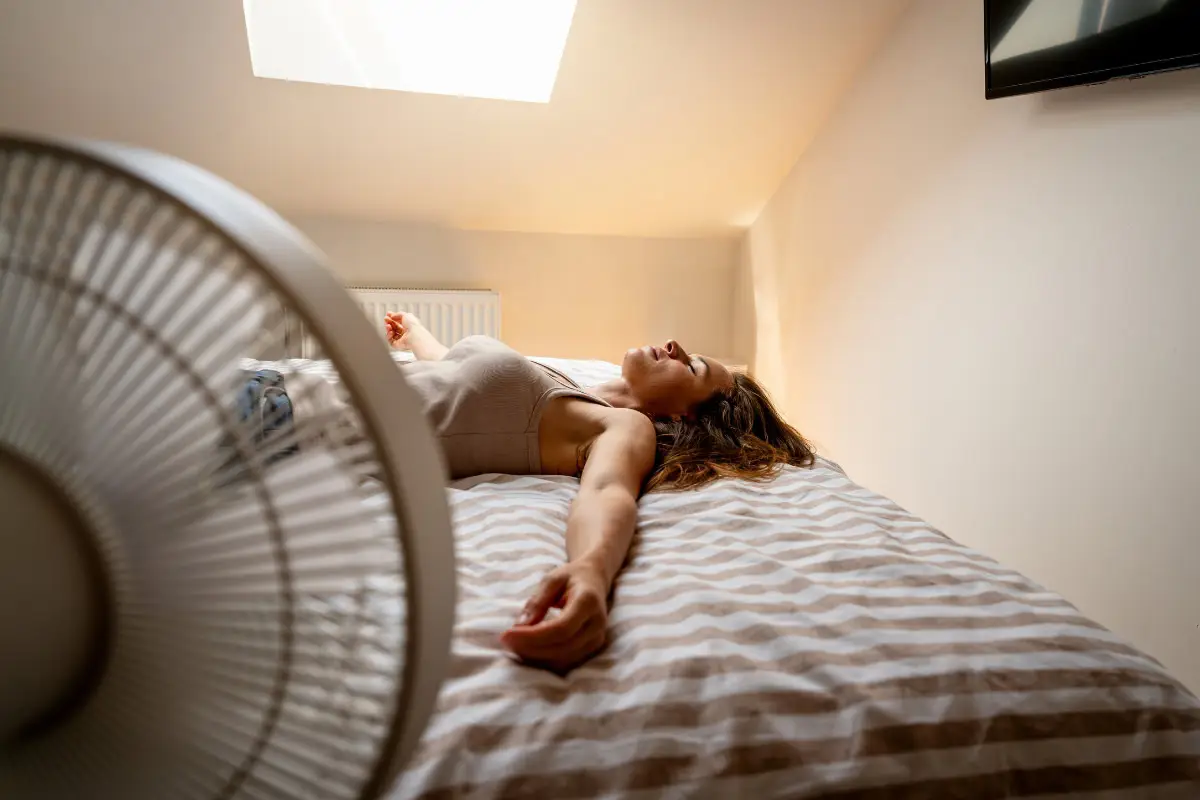
Let’s face it, waking up in a pool of sweat isn’t exactly the refreshing start to the day we’re all hoping for. If you’re someone who runs hot at night, you know the struggle: flipping your pillow endlessly, kicking off blankets, and still feeling like you’re sleeping in a sauna.
Turns out, the problem might not be your thermostat, it could be your mattress.
Not all mattresses handle heat the same way. Some trap it like a furnace, while others actually help regulate your temperature through smart materials and airflow design.
If you’re ready to stop roasting overnight, finding the right cooling mattress can make all the difference.
One brand that piqued my interest? Juna Sleep Systems. They claim their mattresses solve heat buildup, but does their tech live up to the hype? Let’s break it down so you can decide if they’re the right fit.
Why Your Mattress Might Be Cooking You Alive
Picture this: You climb into bed, exhausted. At first, your mattress feels cozy, but two hours in, you’re sweating like you just ran a marathon. What gives?
The Science of Sleep & Heat
Sleep isn’t just “being unconscious.” Your body cycles through phases, with REM sleep being the holy grail for mental recovery. But overheating jolts you awake, cutting those cycles short. Result? You wake up feeling like you barely slept, even after 8 hours.
Ever notice how you sleep better in a chilly room? There’s a reason for that.
Your core temperature needs to drop slightly for deep sleep to kick in. If your mattress is trapping heat, your body can’t cool down naturally, so you toss, turn, and wake up groggy.
The Mattress Culprit
Not all beds are created equal. Traditional memory foam (the kind that hugs you like a warm marshmallow) is notorious for trapping heat. Latex and hybrid designs breathe better, but brands like Juna claim they’ve cracked the code, without sharing exactly how.
What Makes a Mattress Actually Cool?
Time to geek out on mattress tech. A legit cooling mattress should do more than slap a “stays cool!” label on the box. Here’s what matters:
1. Airflow is King
Closed-cell foams = heat prisons. Open-cell foams, coils, or latex let air move freely.
- Memory foam pros/cons: Great pressure relief, terrible for airflow (unless it’s open-cell).
- Latex: Naturally bouncy and breathable, but pricey.
- Hybrids (foam + coils): Best of both, coils act like tiny air vents beneath you.
But here’s the rub: Juna doesn’t specify which materials they use, just that heat buildup isn’t an issue. Would be nice to know how they’re pulling that off, right?
2. The Cover Matters
Ever slept on flannel sheets in summer? Big mistake. The outer fabric can make or break breathability.
- Good: Natural fibers (cotton, bamboo, wool) or moisture-wicking tech.
- Bad: Plastic-y waterproof layers (unless they’re designed to breathe).
Juna’s website doesn’t detail their cover materials, so for hot sleepers, this is a question worth asking before buying.
Spotlight: Juna’s Mysterious Cooling Tech
Here’s where things get fuzzy.
Juna markets their Juna 7 mattress as having “no heat buildup”, but digging into the why leads to… silence. No mentions of gel infusions, phase-change materials, or airflow channels.
What We Do Know:
✅ Handmade & customizable (nice for dialing in firmness, indirectly affects heat)
✅ Flipable design (firm one side, plush the other, could help with airflow if you sleep firmer)
✅ Pricey (queens start at ~$2K, luxury-tier, so expectations are high)
The Big Question:
If a mattress doesn’t sleep hot… shouldn’t the brand shout how they achieved that?
For a cooling mattress at this price, I’d want transparency. (Or at least a free trial to test it myself, which Juna does offer.)
Pro Tips: How to Test a Cooling Mattress
Don’t just take a brand’s word for it. Here’s your battle plan:
- Check the trial period (Juna’s is 100 nights—solid).
- Sleep on it in different seasons (your summer-night experience = key).
- Pair with breathable sheets (look for Tencel or bamboo blends).
- Watch for “break-in” warmth Some initial heat is normal, but if it’s still cooking you after 2 weeks? Return it.
Bottom Line
Finding the best mattress for hot sleepers boils down to airflow + material honesty.
Juna Sleep Systems makes intriguing claims, especially for couples who need customizable firmness, but the lack of cooling-detail transparency makes it hard to compare objectively.
If you try one? Use that trial window wisely. And maybe keep a fan on standby, just in case.
Need Alternatives?
- For budget buyers: Look into hybrids with coils + breathable foams.
- For latex lovers: Natural latex sleeps cooler than memory foam.
- For maximum airflow: Some brands use active cooling tech (like gel grids or phase-change materials).
Ever tried a Juna mattress? Did it actually stay cool? Drop your experience below, let’s help each other stop sweating the small (or big) stuff at night.
Frequently Asked Questions
What materials make a mattress sleep cooler?
Open-cell foams, natural latex, and hybrid coil systems promote the best airflow. Avoid dense memory foam unless it’s specifically designed with cooling technology like gel infusions or phase-change materials.
How can I tell if my mattress is causing night sweats?
If you wake up hot and sweaty despite a cool room temperature and breathable pajamas, your mattress is likely trapping heat. Try sleeping on a different surface for a few nights to compare.
Are expensive cooling mattresses worth it?
Not always. Price doesn’t guarantee cooling performance. Focus on materials and construction rather than brand prestige. A well-designed hybrid under $1000 might sleep cooler than a $3000 memory foam mattress.
How long should I test a cooling mattress?
Give it at least 30 nights, preferably through different seasons. Some mattresses have a break-in period, but true cooling performance should be evident within the first few weeks of use.
