
Estimated reading time: 10 minutes
Key Takeaways
- Your mattress is the silent partner in your health, poor sleep affects everything from back pain to brain fog
- There’s no “best” mattress, only what’s best for your body type, sleep position, and personal quirks
- Testing in stores helps, but nothing beats a proper in-home trial (your bed isn’t a showroom floor)
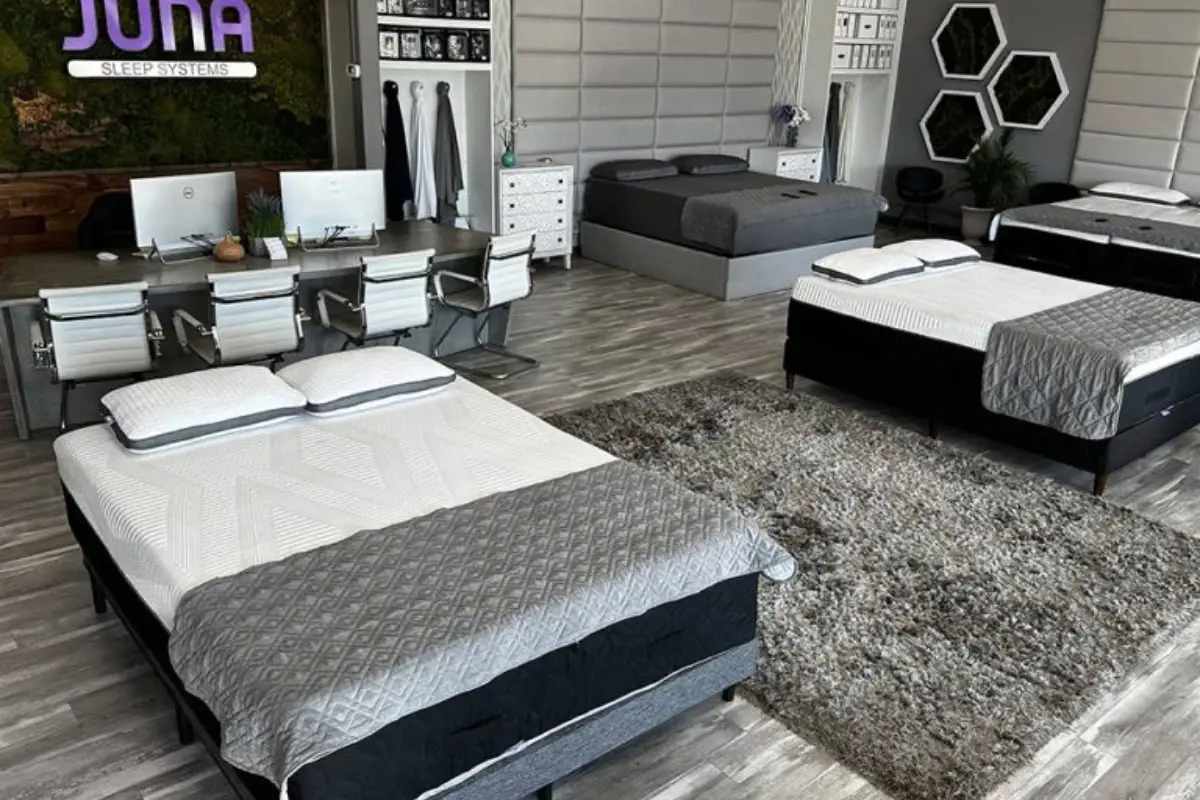
- Modular options like Juna are game changers, like having a mattress that grows with you
Juna Classics: Affordable All-Foam Mattress Starting at $588
Let’s Get Real About Your Mattress
Ever noticed how everything feels wrong at 3 AM? That lumpy spot. The sag in the middle. Your partner’s Olympic-level tossing and turning.
This isn’t just about comfort, your mattress impacts:
- Whether you wake up feeling like you fought a bear or actually rested
- How your spine holds up when you’re chasing kids or sitting through back-to-back meetings
- Your ability to handle life without mainlining caffeine
The good news? You’re about to learn how to cut through the marketing nonsense and find a mattress that doesn’t just look good on Instagram but actually lets you sleep.
Why Your Mattress Choice Actually Matters
Think of your mattress as the foundation of a house, if it’s off, everything built on it suffers.
The right mattress:
- Keeps your spine aligned so you’re not waking up doing your best Quasimodo impression
- Distributes weight evenly so your hips and shoulders aren’t screaming by morning
- Minimizes motion transfer (because your partner’s midnight snack run shouldn’t be your problem)
When you get this wrong:
- That stiff neck isn’t from aging, it’s your mattress’s fault
- You spend more time flipping pillows than actually sleeping
- You become that grumpy coworker who snaps at the printer
(Yes, that last one might still happen, but at least it won’t be the mattress’s fault.)
Mattress Shopping Without the Headache
Support vs. Comfort: The Goldilocks Balance
Too soft and you’re swallowed alive. Too firm and you might as well sleep on the floor. You want that “just right” feeling where:
- Your spine stays in its natural alignment (picture a straight line from your neck to your tailbone)
- Pressure points get relief without making you feel trapped
- You can actually turn over without a Herculean effort
Quick tip: Medium-firm (around a 6-7 on the firmness scale) works for most back and stomach sleepers, while side sleepers often need slightly softer options to cushion those shoulders and hips.
The Material Showdown
Let’s ditch the marketing speak:
- Memory foam: The “hug” that remembers you (but can sleep hot)
- Latex: Naturally bouncy and cooler, like a fancy rubber tree gave you a gift
- Innerspring: Classic bounce with better airflow (but might transfer motion)
- Hybrid: The best/worst of both worlds, foam comfort plus spring support
Hot sleeper hack: Gel-infused foams and breathable covers help, but nothing beats latex or hybrids for temperature regulation.
Two Things Couples Fight About
- Motion isolation: Unless you enjoy playing “what was that noise?” at 2 AM
- Edge support: Because nobody wants that “rolling into the abyss” feeling
Look for pocketed coils or high-quality foam if you’re sharing the bed with a restless sleeper.
Mattress Types Without the B.S.
Understanding different mattress types can help you make the right choice for your specific needs.
Memory Foam
The good: Contours like it was made for you (because it is)
The bad: Can sleep like a sauna without cooling tech
Who it’s for: People who want to feel “cocooned”
Latex
The good: Naturally cool and durable (some last 15+ years)
The bad: Feels different than foam, try before you buy
Who it’s for: Eco-conscious folks and hot sleepers
Innerspring
The good: That traditional bounce and airflow
The bad: Shows its age faster than other types
Who it’s for: People who miss their childhood bed
Hybrids
The good: Balances support and comfort like a champ
The bad: Heavier than your last relationship baggage
Who it’s for: Couples who can’t agree on firmness
Modular Sleep Systems (Our Not-So-Secret Favorite)
The game changer: Swap layers as your needs change, no more buying a new mattress after pregnancy, injury, or deciding you hate firm mattresses
The catch: Slightly higher upfront cost (but saves money long-term)
Your Stress-Free Buying Plan
Step 1: Become a Sleep Detective
Ask yourself:
- To side or not to side? (Sleep position matters more than you think)
- Any recurring pain points that scream for relief?
- Is your partner’s sleeping style actively trying to sabotage you?
Step 2: Budget Like a Pro
Good mattresses run $1,000 – $2,500. Divide that by 7–10 years, it’s cheaper than your daily coffee habit.
Step 3: Test Drive Smartly
Stores are great for initial impressions, but nothing beats an in-home trial (at least 30 nights to adjust).
Step 4: Read the Fine Print
Warranties should cover actual wear and tear, not just manufacturing defects.
Why Juna Makes Us Excited
While other brands force you into one firmness forever, Juna lets you:
- Adjust each side for couples with different needs
- Swap layers when life changes (because bodies aren’t static)
- Avoid the landfill by replacing just worn layers
Their 120-night trial means you’re not gambling, you’re test driving in your actual life.
Experience the unmatched comfort of a truly customizable sleep system.
The Bottom Line
Your perfect mattress exists. It’s not about the trendiest brand or highest price tag, it’s about what lets you wake up feeling human.
Ready to actually enjoy bedtime?
Frequently Asked Questions
How often should I replace my mattress?
Most mattresses need replacing every 7-10 years, but pay attention to your body. If you’re waking up sore or sleeping worse than you used to, it might be time regardless of age. With modular systems like Juna, you can replace individual layers instead of the whole mattress.
Is a firmer mattress always better for back pain?
Not necessarily. While support is crucial, the best mattress for back pain maintains your spine’s natural alignment while relieving pressure points. This often means medium-firm rather than extra-firm, especially for side sleepers.
How long does it take to adjust to a new mattress?
Your body typically needs 2-4 weeks to adjust to a new mattress. This is why sleep trials of at least 30 nights are essential, you can’t judge a mattress from one night’s sleep.
What’s the difference between a sleep trial and a warranty?
A sleep trial lets you return the mattress if you don’t like it (usually 30-120 nights). A warranty covers manufacturing defects and premature sagging over several years. Look for both when mattress shopping.
Do I really need a box spring with my new mattress?
Not always. Many modern mattresses work great on platform beds, adjustable bases, or even the floor. Check your mattress manufacturer’s recommendations to maintain your warranty coverage.
